
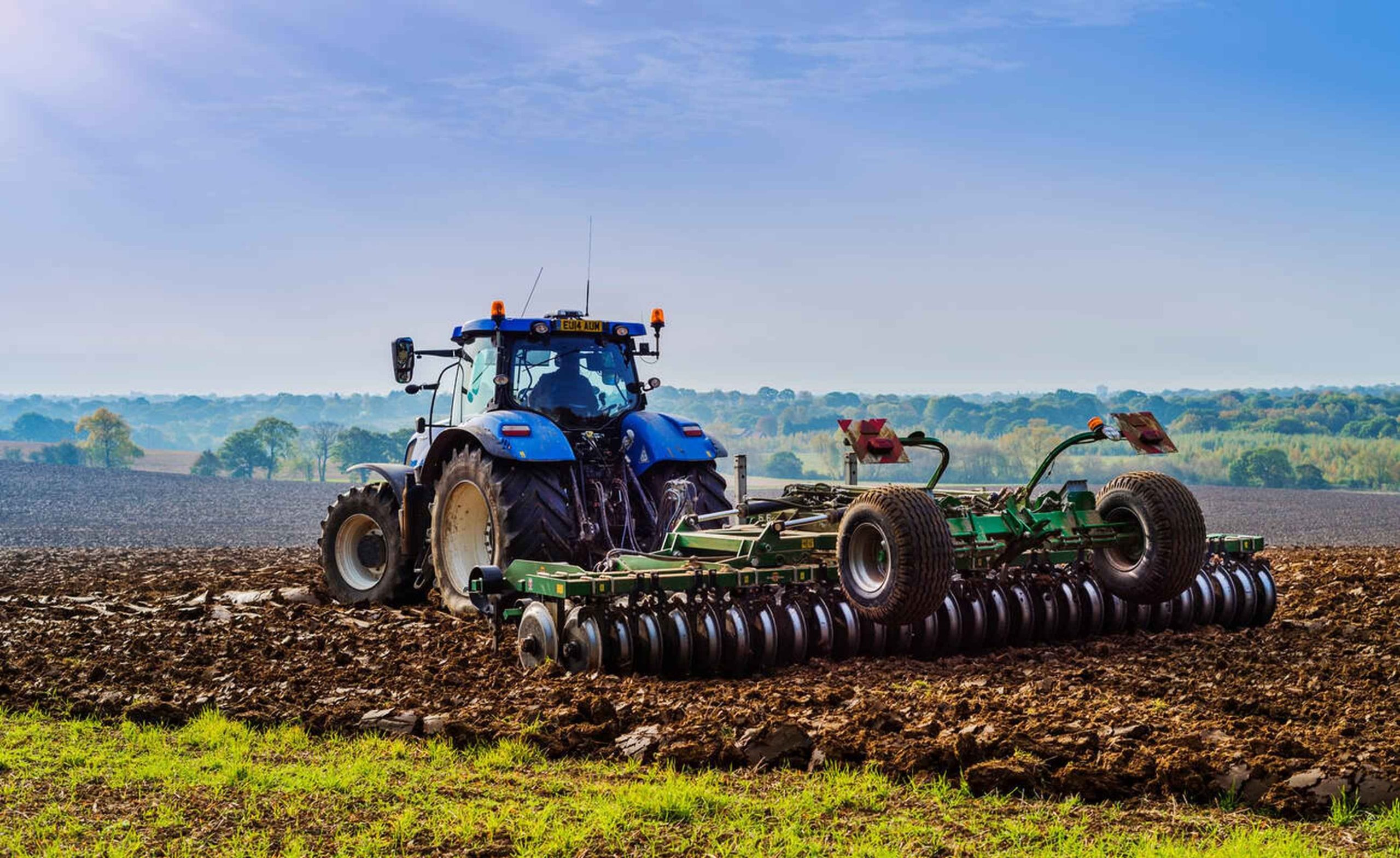
Agriculture Sector remains the backbone of Nigeria’s economy, employing over 70% of the labor force and contributing significantly to GDP. However, for decades, the sector was characterised by subsistence farming with minimal mechanisation, leading to low productivity and food insecurity. Key challenges included:
- Primitive Farming Methods: Over 80% of farmers relied on manual tools (hoes, cutlasses) with less than 10% mechanisation penetration
- Low Productivity: Average cereal yields were 40-60% below global benchmarks due to limited technology adoption
- High Post-Harvest Losses: Estimated at 40-50% due to poor harvesting and processing equipment
- Limited Private Sector Participation: Minimal investment in mechanisation services and agro-processing
The Federal Government recognised that transforming agriculture through mechanisation was critical to achieving food security, job creation, and economic diversification.

The Reform Process
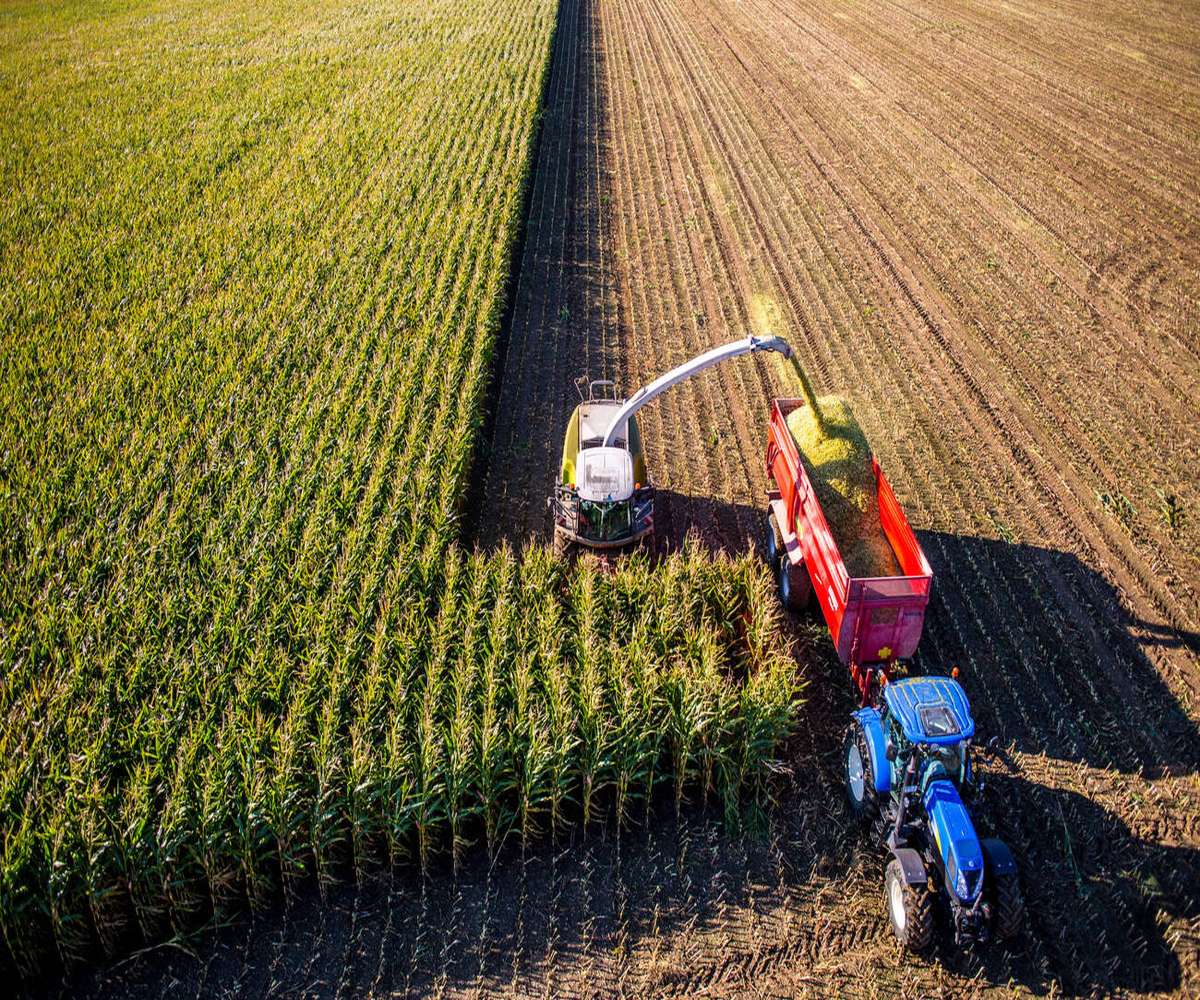
The Bureau of Public Enterprises (BPE) in collaboration with the Federal Ministry of Agriculture and Rural Development implemented comprehensive reforms to revolutionise agricultural mechanisation:
Establishment of Agricultural Equipment Hiring Enterprises (AEHEs)
- Created a network of 142 privately-operated tractor hiring centers across all 36 states
- Provided matching grants to private operators to establish mechanisation service centers
- Introduced performance-based contracts for equipment operators
Public-Private Partnership (PPP) Model for Mechanisation
- Concessioned 12 existing government-owned tractor assembly plants to private operators
- Partnered with global manufacturers (John Deere, AGCO) to establish local assembly plants
- Implemented a lease-to-own equipment financing scheme for farmers
Policy and Institutional Reforms
- Launched the National Agricultural Mechanisation Policy (2020)
- Established the National Centre for Agricultural Mechanisation (NCAM) as technical hub
- Harmonised customs duties on agricultural machinery imports
Capacity Building and Technology Transfer
- Trained over 50,000 operators and mechanics on equipment maintenance
- Introduced mobile apps for farmers to access mechanisation services
- Established demonstration farms for modern farming technologies
Transactions
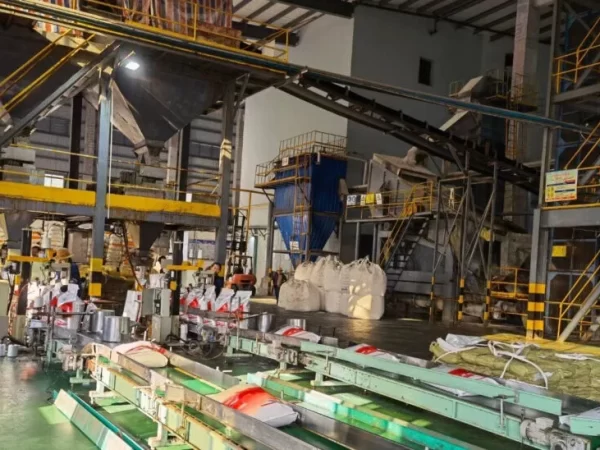


The agricultural mechanisation reforms have transformed Nigeria’s farming landscape from subsistence to commercial agriculture. The BPE’s PPP approach has successfully attracted private investment while ensuring smallholder farmers access modern equipment. These reforms position Nigeria to achieve its agricultural potential and food security goals.
