
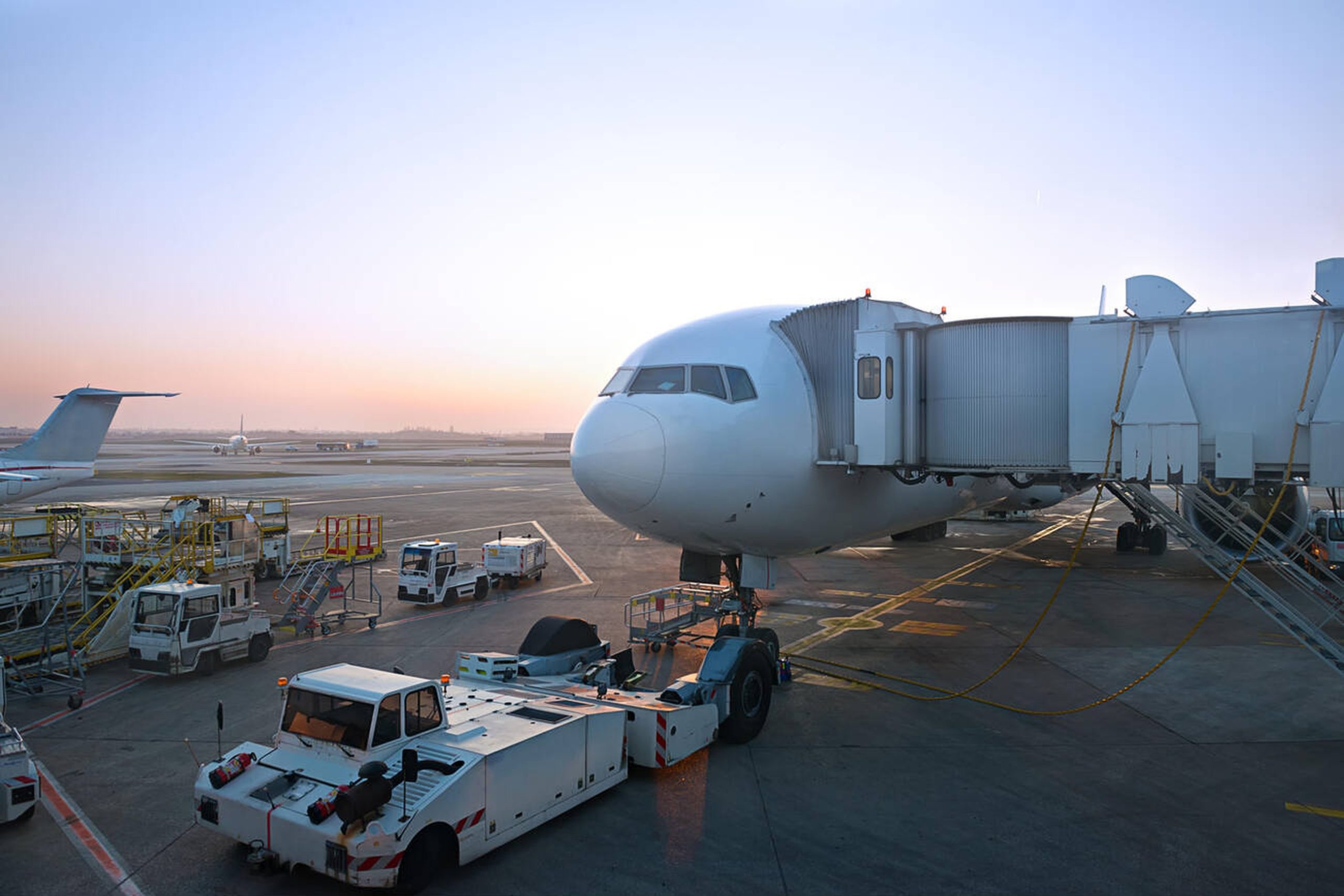
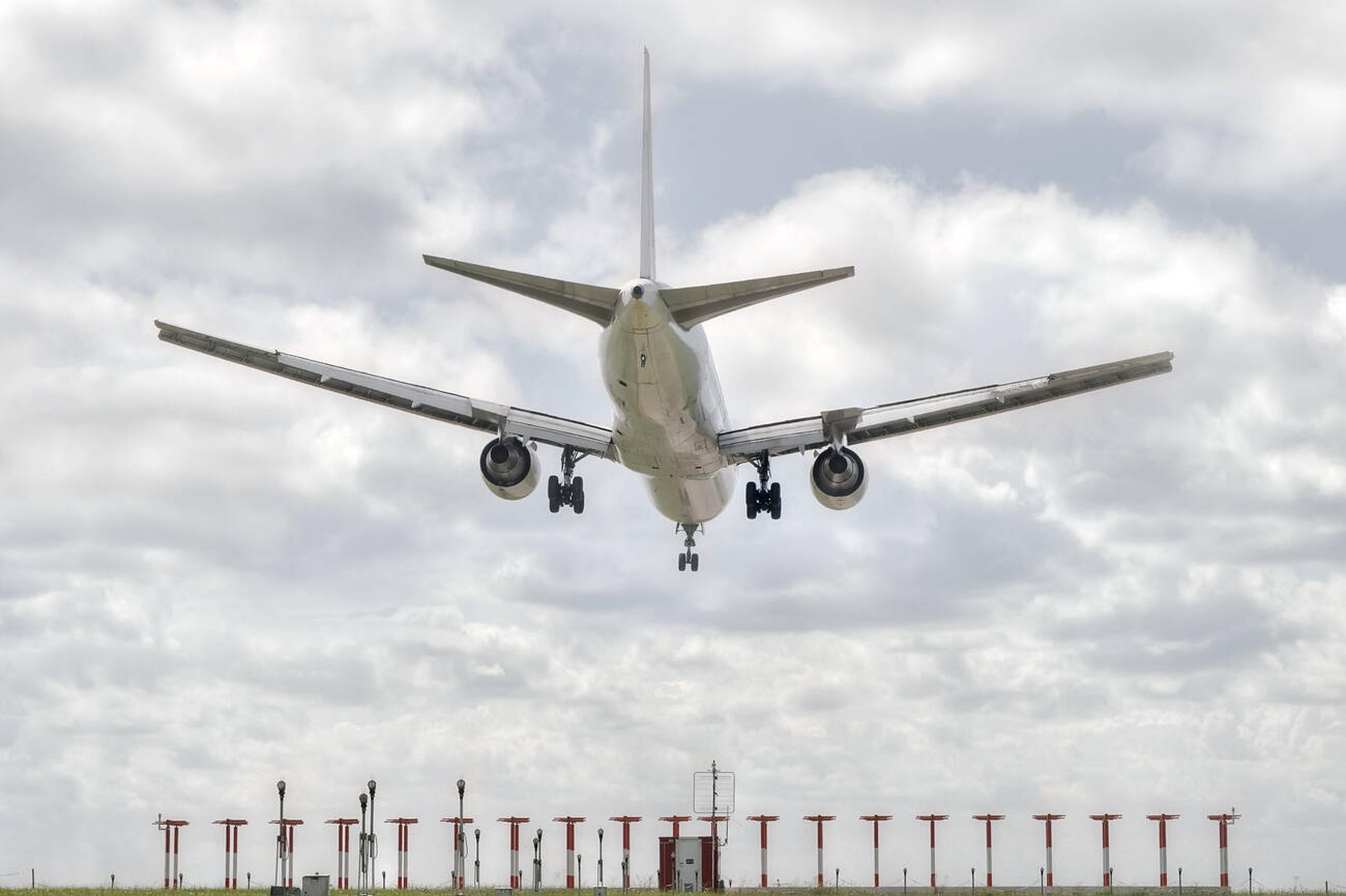
Aviation Sector Reform In Nigeria plays a vital role in connecting the country to global trade, tourism, and investment opportunities. In the post-independence era, the industry was dominated by government-owned enterprises such as Nigeria Airways and the Federal Airports Authority of Nigeria (FAAN). These institutions were expected to ensure safe, reliable, and affordable air transport services for Nigerians.
However, over time, the Aviation Sector Reform In Nigeria suffered from severe challenges, including poor infrastructure, mismanagement, corruption, and lack of adequate investment. Nigeria Airways, once a symbol of national pride, became synonymous with inefficiency, overstaffing, and mounting debt. Airports across the country were underdeveloped, with outdated facilities and limited capacity to handle rising passenger and cargo traffic. By the late 1990s, the aviation sector had declined significantly, undermining both domestic and international confidence.

The Reform Process
To address these challenges, the Federal Government initiated a comprehensive reform of the aviation sector under the guidance of the Bureau of Public Enterprises (BPE) and in collaboration with the Ministry of Aviation and other stakeholders. The reform objectives were to liberalize the industry, attract private sector participation, and ensure efficiency, safety, and global competitiveness. Key steps in the reform included:
Liberalisation & Deregulation
Concessioning & Privatisation
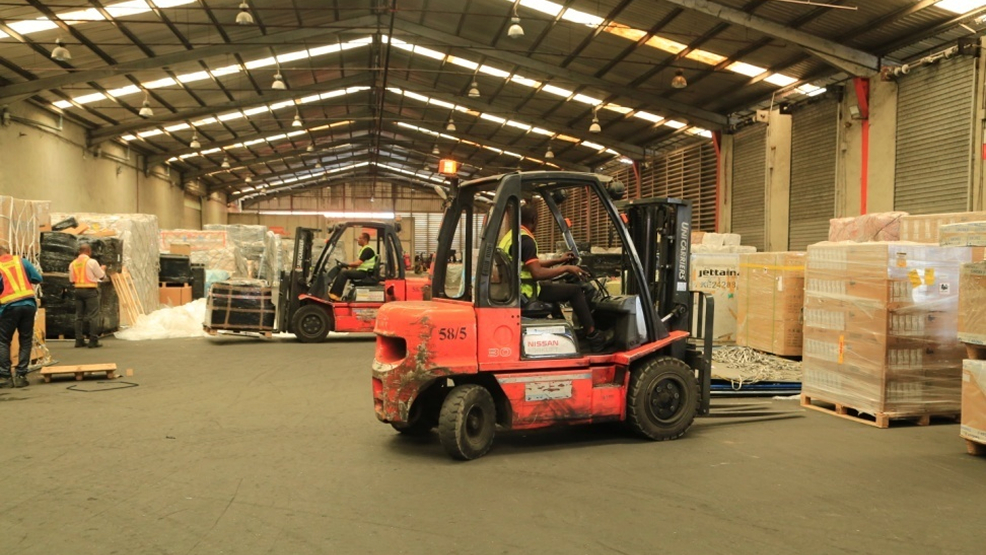
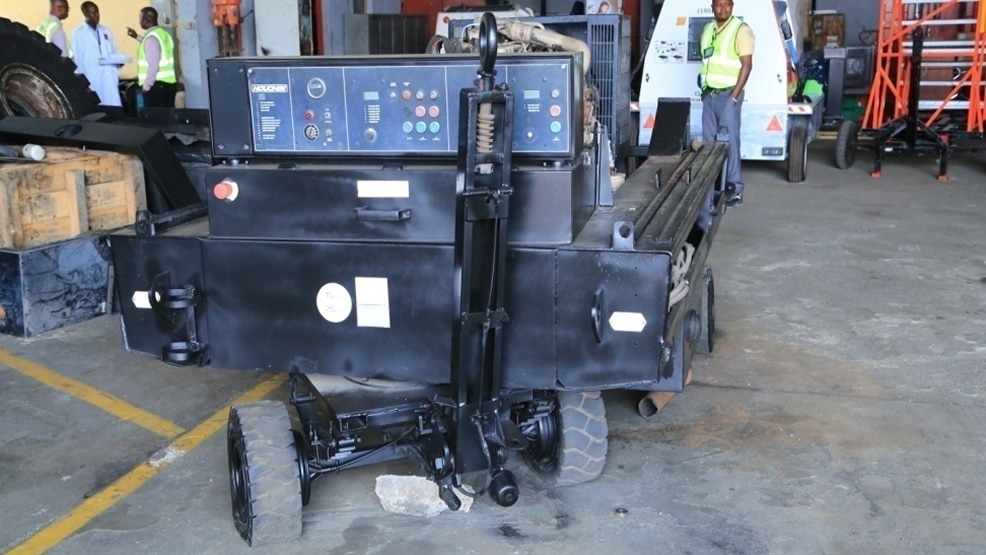
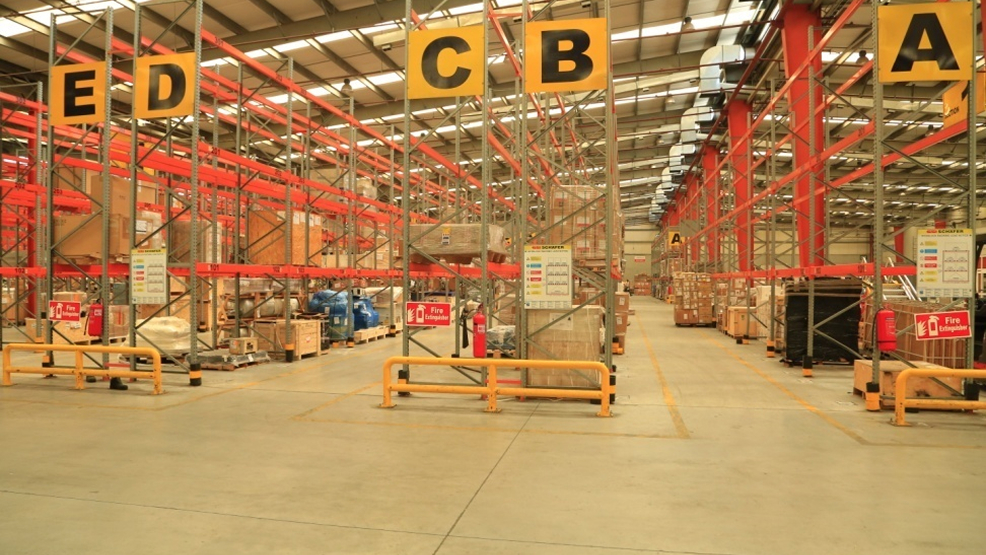
- Nigerian Aviation Handling Company (NAHCO): Privatised to enhance efficiency in cargo and passenger ground handling operations.
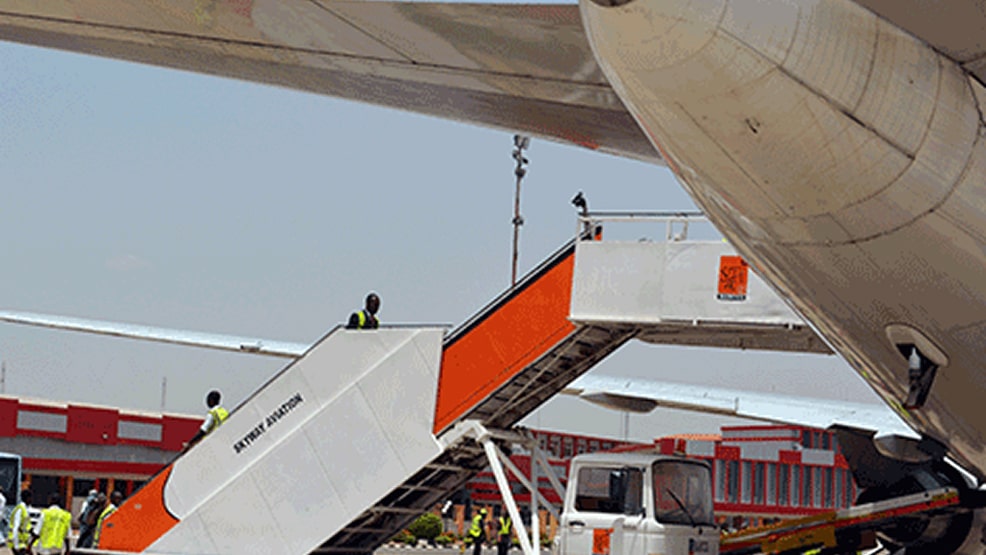
- Skyway Aviation Handling Company (SAHCO): Carved out of the defunct Nigeria Airways and privatized to deliver professional ground handling and cargo services.
Institutional Strengthening
Infrastructure Development
Debt Restructuring & Workforce Rationalisation

Conclusion
The reform of Nigeria’s aviation sector has transformed the industry from a struggling, state-dominated system into a vibrant, competitive, and globally recognized hub for air travel. By opening the space for private sector participation, strengthening regulatory oversight, and modernizing airport infrastructure, the reforms have restored confidence in Nigerian aviation. Notably, the privatization of NAHCO and SAHCO has revolutionized ground handling and cargo services, making Nigeria’s airports more efficient and reliable. Today, the sector not only enhances domestic mobility and global connectivity but also contributes significantly to economic diversification, tourism growth, and Nigeria’s standing in the international aviation community.
