
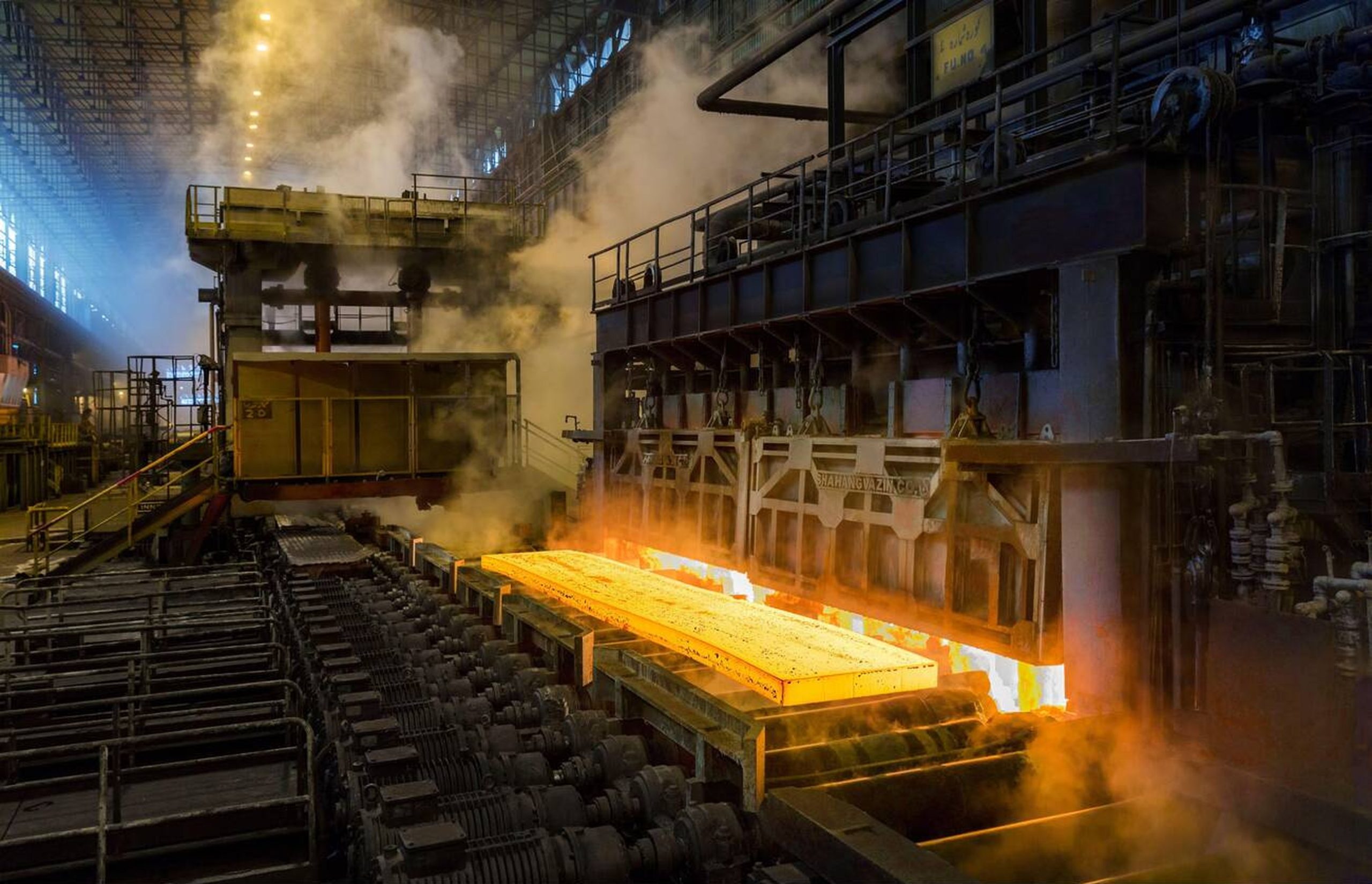
The Federal Ministry of Mines and Steel Development was split by President Bola Tinubu into the Ministry of Steel Development and the Ministry of Solid Minerals Development, with Prince Shuaibu Abubakar Audu serving as the Minister of Steel Development and Dr. Dele Alake serving as the Minister of Solid Minerals Development

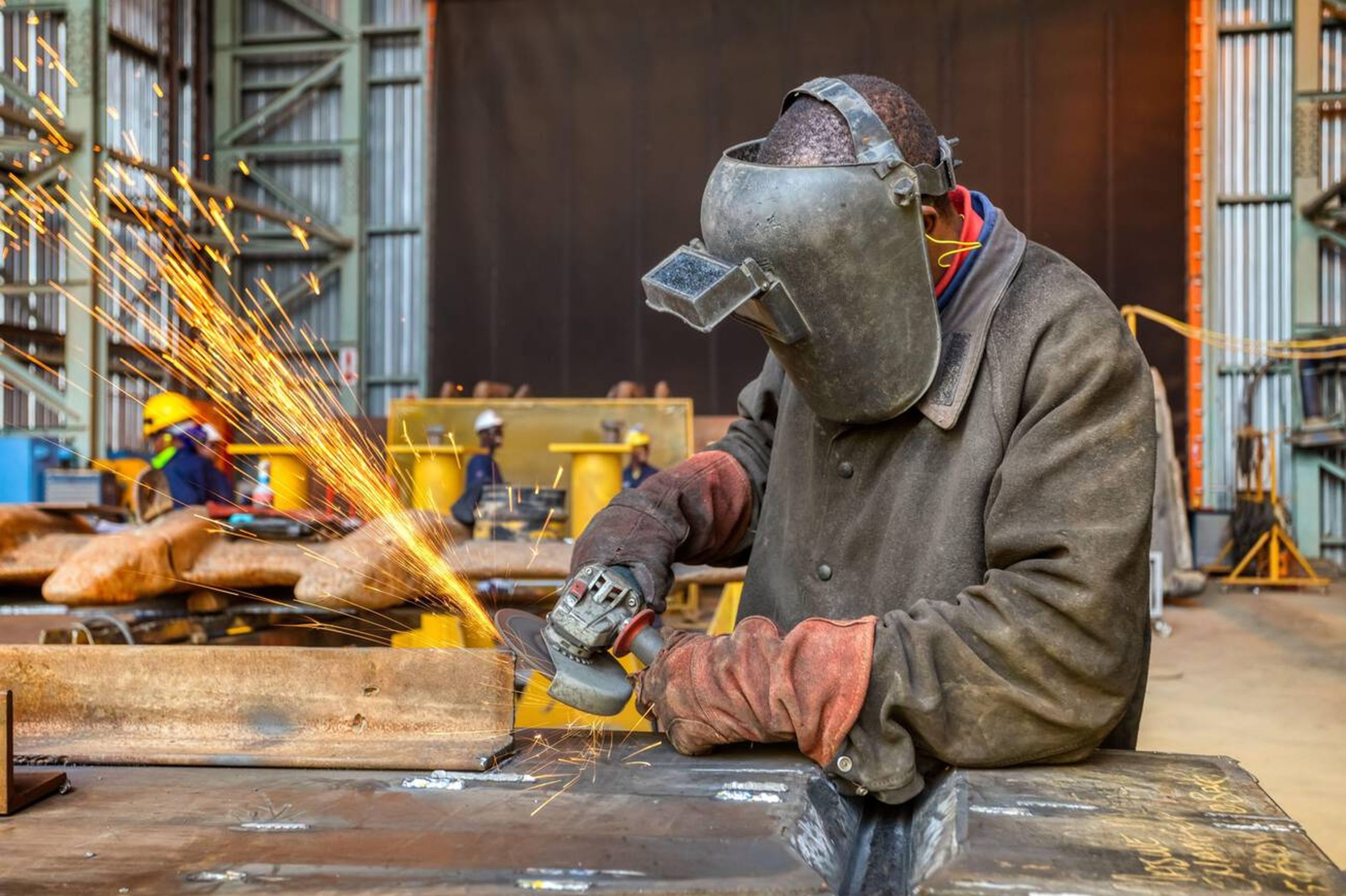
The Reform Process
The Mines & Steel sector reform was designed to address systemic inefficiencies, stimulate private sector participation, and create a sustainable value chain from mining to finished steel products. Key stages of the reform process included:
Institutional and Policy Framework Review
- Collaboration with the Ministry of Mines and Steel Development to review existing laws and policies, including the Nigerian Minerals and Mining Act, to create a more attractive and transparent investment climate.
Restructuring of State-Owned Enterprises
- Commercialisation and privatisation of select mining and steel assets to competent investors with proven technical and financial capacity.
- Concessioning of strategic facilities such as NIOMCO to ensure continuous raw material supply to the steel industry.
Public-Private Partnerships (PPPs)
- Encouragement of PPP models for infrastructure development, exploration, and beneficiation projects.
Investment Promotion and Transparency
- Streamlining licensing processes and introducing modern mineral resource data systems to attract credible local and foreign investors.
Technology Upgrade & Skills Development
- Promotion of modern mining methods, environmental compliance, and workforce capacity building to improve efficiency and sustainability.
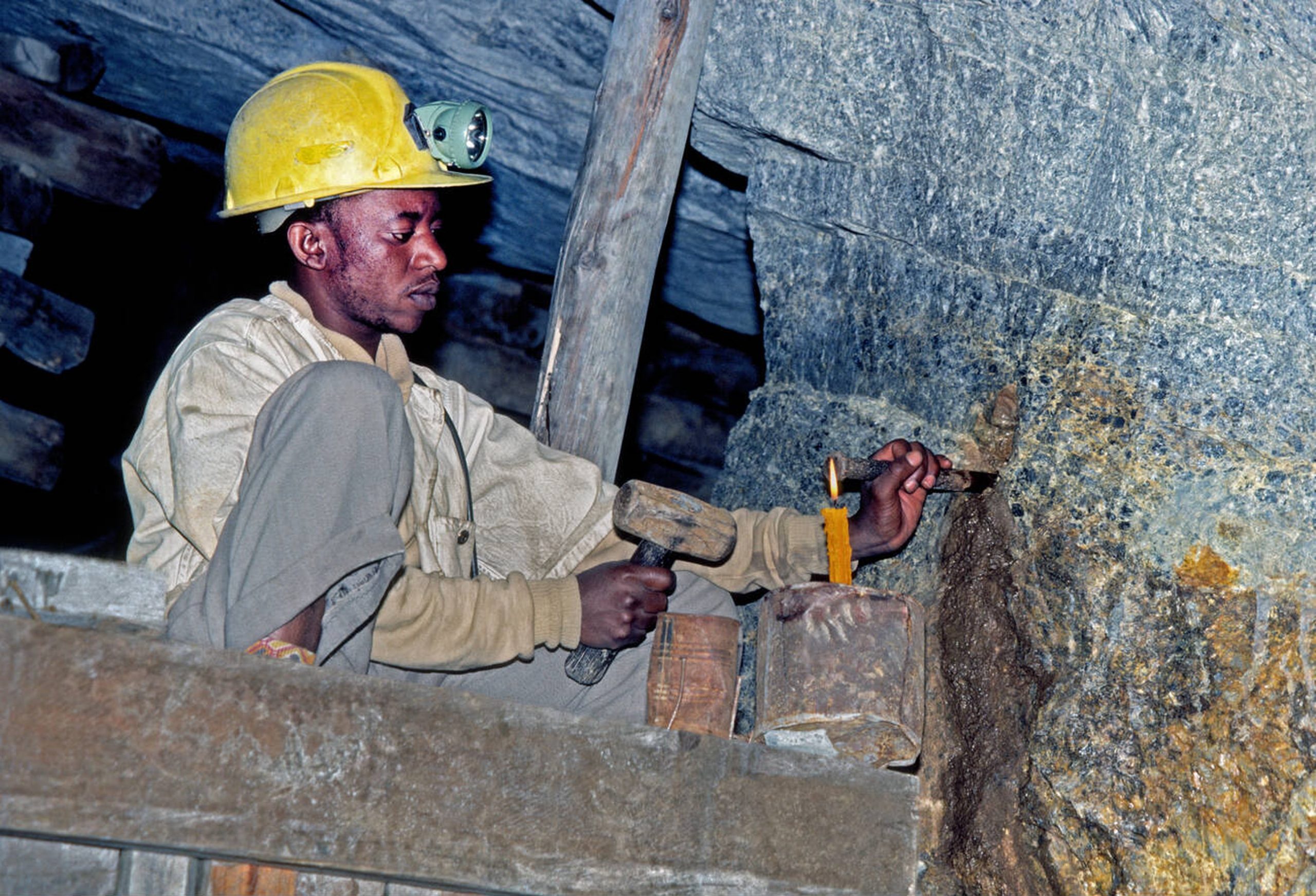
The Mines & Steel Sector reform is a critical pillar in Nigeria’s industrial revival agenda. By addressing structural bottlenecks, attracting strategic investment, and promoting sustainable resource development, the reforms led by the Bureau of Public Enterprises are laying the foundation for Nigeria to become self-reliant in steel production, create jobs and unlock the full potential of its vast mineral wealth.
